

Schließen

Toshiba Introduces New Lithium-ion Battery for EV Applications
Toshiba Corporation has announced the upcoming launch of its innovative SCiB™Nb lithium-ion battery, with sample shipments scheduled to begin in June 2025. The new battery technology is designed to support the electrification of commercial vehicles such as electric buses and trucks, where high operational availability and fast charging capabilities are essential. As rechargeable lithium-ion batteries are electrical products entering the Japanese market, they fall under Japan’s regulatory framework for electrical safety and conformity assessment. Rechargeable lithium-ion batteries usually require PSE certification in order to be approved for import and sale in Japan.
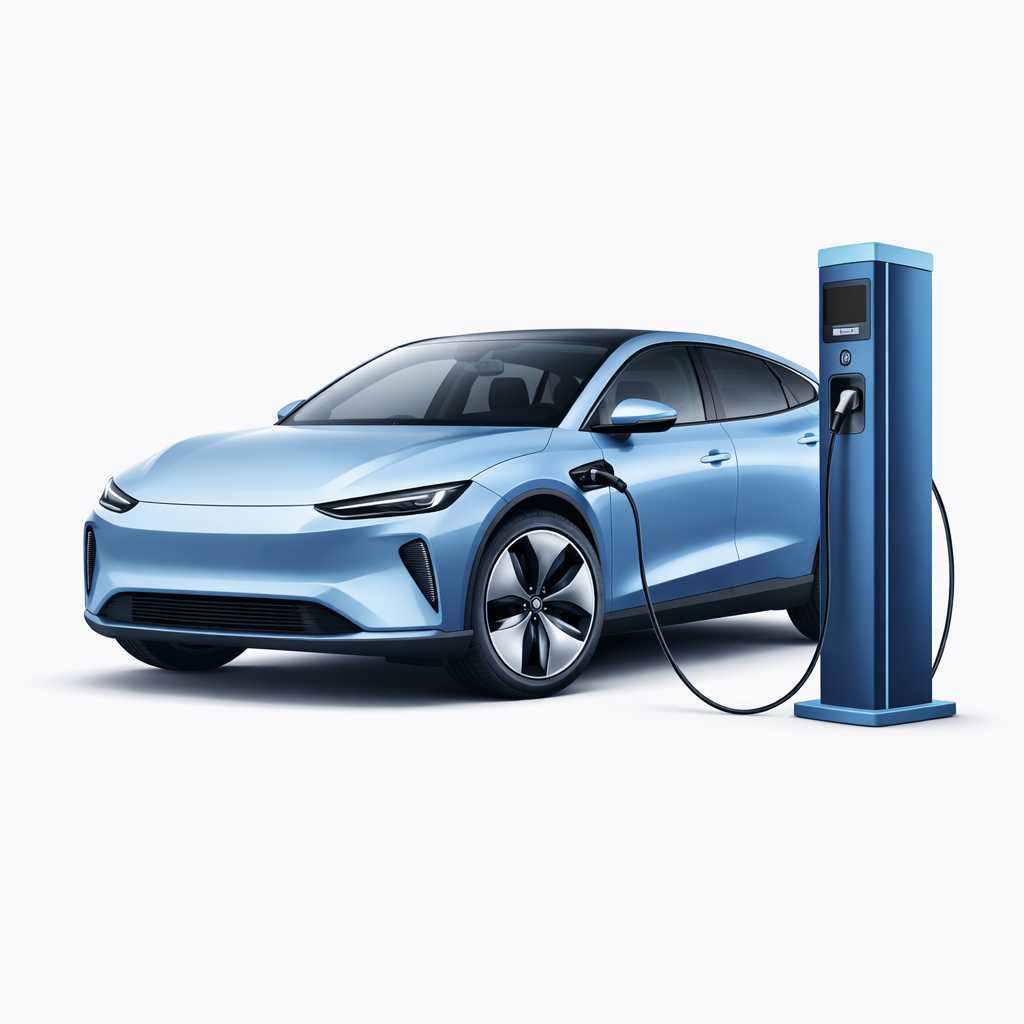
The SCiB™Nb battery introduces a niobium titanium oxide (NTO) anode, making it the first rechargeable lithium-ion battery to incorporate this material. According to Toshiba, the technology achieves a volumetric energy density comparable to conventional lithium-ion batteries using lithium iron phosphate (LFP) cathodes, which are commonly used in electric vehicles. At the same time, the battery offers notable advantages in fast charging and longevity. The system can reach approximately 80% charge in around 10 minutes and is designed to support an estimated lifespan of up to 15,000 charge cycles, even under repeated rapid-charging conditions.
Rapid-Charging Technology and Supply Chain Collaboration
The development of the SCiB™Nb battery is the result of collaboration between Toshiba, Brazil-based niobium producer CBMM, and Japan’s Sojitz Corporation. CBMM, one of the world’s largest producers of niobium, supports the supply of raw materials for the battery’s niobium titanium oxide anode. Sojitz, which acts as CBMM’s exclusive agent in Japan, contributes to establishing a stable supply chain and expanding industrial applications for the material.
This partnership aims to accelerate commercialization of the battery, initially focusing on commercial electric vehicles such as buses and trucks that operate on fixed routes and require frequent rapid charging. Demonstration testing has already been conducted using a prototype electric bus equipped with the new battery technology at CBMM’s industrial facility in Araxá, Brazil. These tests form part of broader efforts to validate the performance and operational advantages of the new battery system.
Safety Characteristics and Market Implications
Traditional carbon-based lithium-ion batteries, including many LFP designs, can face safety risks when subjected to frequent rapid charging. Repeated high-rate charging may cause lithium deposition on the anode, which can increase the risk of internal short circuits as the battery ages. The niobium titanium oxide anode used in the SCiB™Nb battery addresses this issue by preventing metallic lithium deposition, allowing the battery to maintain safe operation even under intensive charging cycles.
The initial commercial cell format is a 50Ah laminated cell designed for integration into electric commercial vehicles. In addition to transportation applications, Toshiba expects the battery to be used in maritime systems and stationary energy storage solutions. For manufacturers and importers targeting the Japanese market, compliance with Japan’s electrical safety framework—including the Product Safety Electrical Appliance & Material (PSE) certification—remains an important step for market access when introducing rechargeable lithium-ion battery technologies.
Further regulatory and certification information may be available through official certification resources and regulatory updates related to electrical products in Japan.
Feel free to contact us any time if you need assistance or have any questions re-garding Japanese certifications like PSC Certification, PSE Certification, TELEC Certification, JIS Certification and the VCCI Mark Certification.
Tel. Europe: +49-69-271 37 69 258
Tel. US: +1 773 654-2673
Email: info@certification-japan.com
For more information you can download our free brochure “Japan Certification Made Easy – The Booklet”.
Feasycom Presents Advanced BLE and LE Audio Solutions at Wireless Japan 2025
At Wireless Japan 2025, held in Tokyo on May 28, Shenzhen Feasycom Technology Co., Ltd. showcased its latest advancements in Bluetooth module technologies, drawing attention from both industry professionals and visitors. Featured prominently at booth W-32, Feasycom introduced next-generation Bluetooth innovations including LE Audio, Bluetooth Angle of Arrival (AoA), and Bluetooth Low Energy (BLE) modules. The LE Audio modules, equipped with the LC3 audio codec, offer low latency, lossless transmission, and reduced power consumption, making them suitable for high-performance, energy-efficient audio applications. Products with Bluetooth functionality and similar usually require TELEC certification in order to be approved for import and sale in Japan.
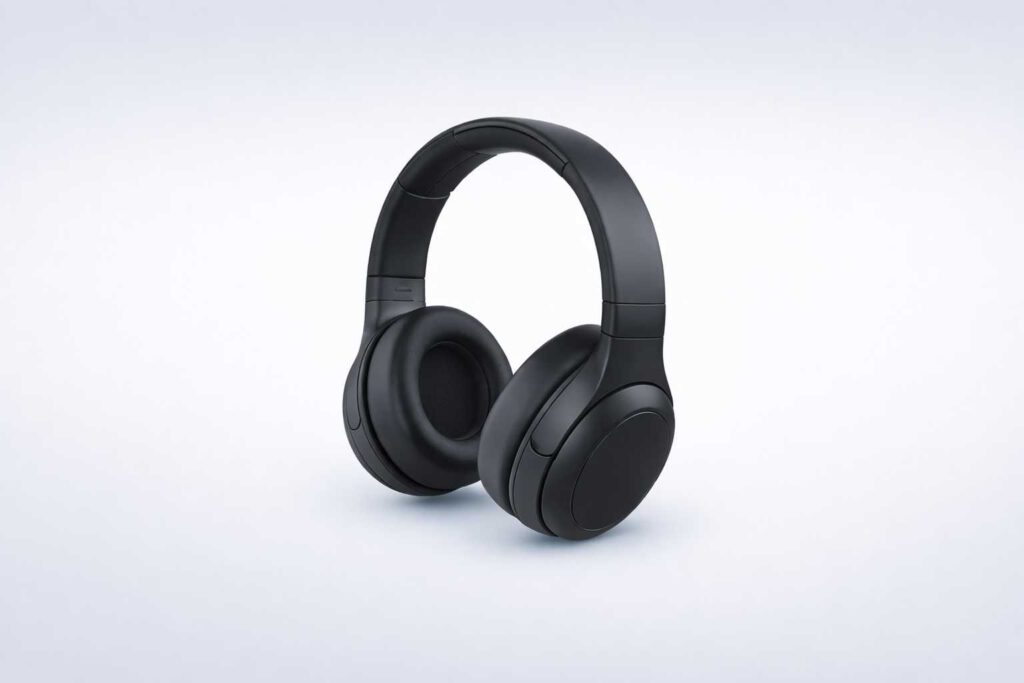
The BLE modules presented by Feasycom are designed for low power consumption, cost-effectiveness, and high integration flexibility, supporting a wide range of IoT use cases such as smart home systems, industrial automation, medical devices, and instrumentation. According to the company’s Japan Regional Director, Feasycom’s participation in the exhibition aimed to deepen global collaboration and showcase its innovation in wireless communication. Wireless Japan is a key annual trade fair attracting international exhibitors and industry stakeholders, offering a platform for presenting the latest developments in wireless technologies. Feasycom, with over a decade of experience, has distributed its products worldwide, including in the U.S., Europe, and Asia, achieving cumulative shipments in the hundreds of millions.
Feel free to contact us any time if you need assistance or have any questions re-garding Japanese certifications like PSC Certification, PSE Certification, TELEC Certification, JIS Certification and the VCCI Mark Certification.
Tel. Europe: +49-69-271 37 69 258
Tel. US: +1 773 654-2673
Email: info@certification-japan.com
For more information you can download our free brochure “Japan Certification Made Easy – The Booklet”.
MPR International – Product Certification Experts
MPR International GmbH is a trusted partner for product certifications in China, India, Korea, and Japan. Founded in 2005, MPR simplifies market entry offering services for certifications such as CCC certification for China, BIS certification for India, and KC certification for Korea, PSE certification for Japan, vehicle homologation, product tests and factory inspections. The headquarters of MPR International is in the global financial hub Frankfurt, Germany where more than 20 highly skilled experts support clients worldwide. In 2012 MPR also founded its subsidiary in the USA and supports clients from North America, Central America and South America. From 2024, MPR International is part of the CERTANIA Group – a leader in Testing, Inspection and Certification with over 1,600 employees and extensive testing capacities.

MPR International GmbH provides comprehensive support to facilitate product certifications through personalized consultation with our experienced advisors. MPR assess certification requirements of products, guides through certification processes and assists with document preparation. With long-term relationships with the relevant authorities and test labs, MPR handles all communications on behalf of their clients.
MPR also manages all necessary product testing and provides expert guidance on proper product labeling to meet regulatory standards, as well as organize and oversee follow-up certifications. MPR also informs their clients regularly about product-specific regulatory changes. MPR helps to achieve significant time and cost savings by streamlining these processes and minimizing potential delays or complications. MPR’s goal is to make the certification process as seamless and efficient as possible, ensuring successful and timely market entry in China, India, Korea and Japan.
 We are part of the CERTANIA-Group.