


Schließen

Amendments to Japan’s Product Safety Laws Introduce New Obligations for Overseas Sellers
Amendments to Japan’s Four Product Safety Acts, including the Electrical Appliances and Materials Safety Act (PSE) and the Consumer Product Safety Act (PSC), took effect on December 25, 2025. The revised framework establishes clearer responsibilities for foreign businesses that sell regulated products directly to consumers in Japan, particularly through cross-border e-commerce platforms. Overseas sellers that import and distribute products subject to PS Mark requirements are now classified as “Specified Importers” when conducting business involving designated goods. These entities must fulfill obligations comparable to those imposed on domestic manufacturers and importers, including filing notifications with the Ministry of Economy, Trade and Industry (METI) and ensuring compliance with applicable technical safety standards. Products regulated under PSE/PSC usually require PSE certification/PSC certification in order to be approved for import and sale in Japan.
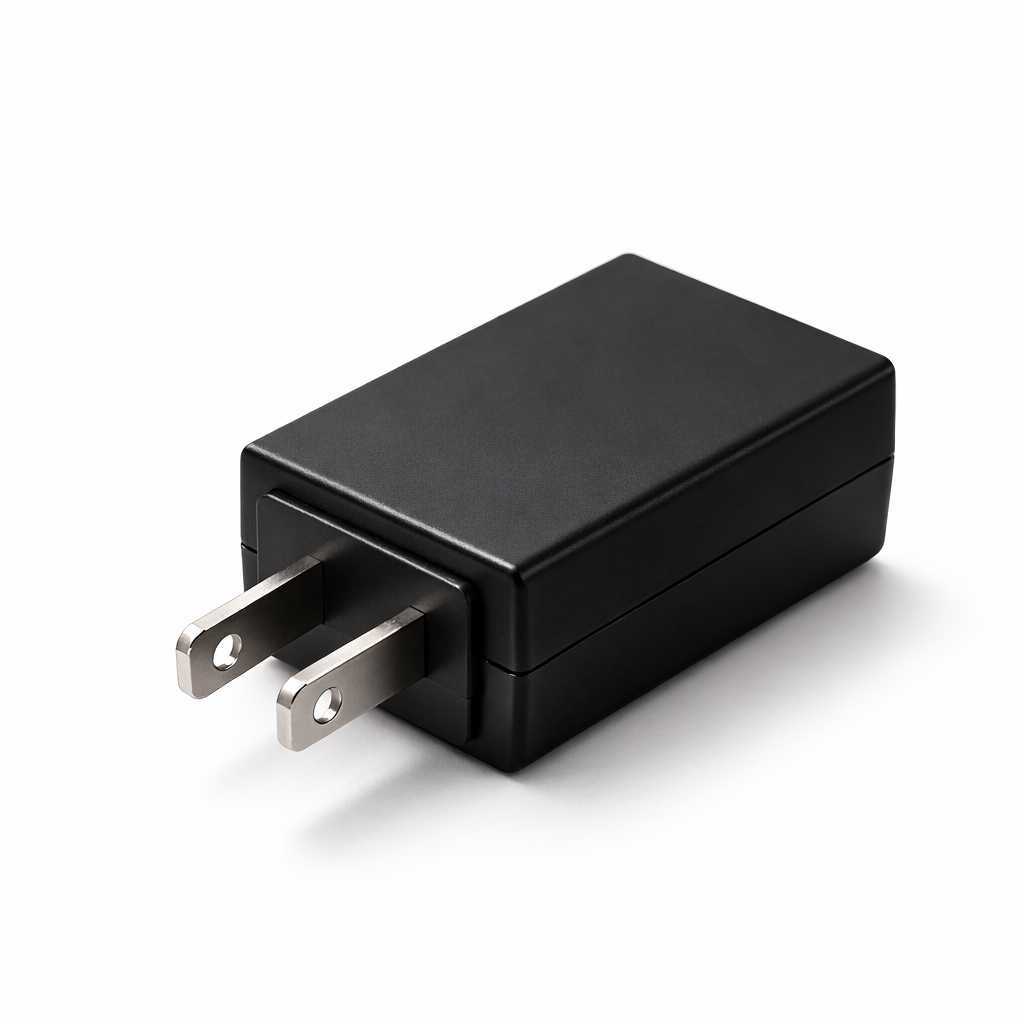
To strengthen regulatory oversight, Specified Importers are required to appoint a Domestic Administrator in Japan. This representative must maintain a registered address in Japan, be capable of communicating in Japanese, and enter into a written agreement defining delegated responsibilities. The regulatory scope covers multiple product categories under the Four Acts, including electrical appliances such as AC adapters under PSE, consumer goods such as infant toys, baby beds, and laser pointers under PSC, as well as gas appliances and LPG-related equipment regulated under PSTG and PSLPG. Within the PSE framework, designated electrical appliances bearing the diamond-shaped PSE mark are subject to mandatory conformity assessment by a Registered Conformity Assessment Body and require a Certificate of Conformity prior to market entry, while non-designated items bearing the circular PSE mark are not subject to mandatory third-party assessment but must still comply with technical standards.
Feel free to contact us any time if you need assistance or have any questions re-garding Japanese certifications like PSC Certification, PSE Certification, TELEC Certification, JIS Certification and the VCCI Mark Certification.
Tel. Europe: +49-69-271 37 69 258
Tel. US: +1 773 654-2673
Email: info@certification-japan.com
For more information you can download our free brochure “Japan Certification Made Easy – The Booklet”.
Japan Steps Up Safety and Recycling Measures Amid Rise in Lithium-Ion Battery Fires
Japan is facing heightened safety concerns as incidents involving lithium-ion battery-powered products continue to rise, driven in part by extreme summer heat and year-round use of rechargeable devices. Authorities note that batteries used in common items such as smartphones, mobile power banks, electric-assist bicycles, handheld fans, and heated clothing are sensitive to heat, impact, and overcharging, which can trigger fires. The growing circulation of low-cost, low-quality products has further amplified these risks. Data from national agencies indicate thousands of battery-related accidents over recent years, prompting increased attention to product safety, recall monitoring, and consumer awareness. Li-Ion Battery related equipment and components usually require PSE certification in order to be approved for import and sale in Japan.
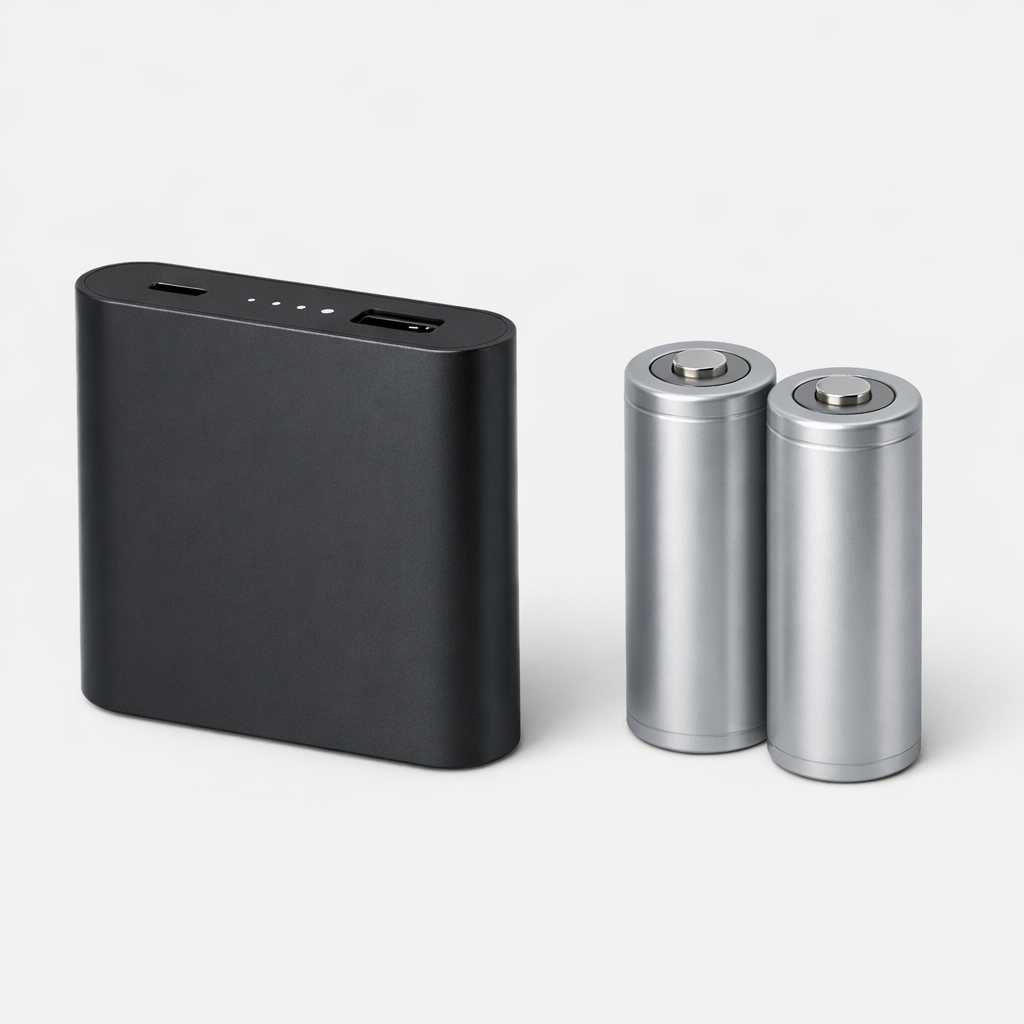
In addition to accidents during use, improper disposal of lithium-ion batteries has caused fires in garbage trucks and waste-processing facilities, resulting in equipment damage and operational shutdowns. To address this, Japanese authorities are strengthening guidance on disposal practices, emphasizing separate collection and recycling through designated channels, while acknowledging that sorting remains difficult for consumers due to product design and varying municipal rules. Regulatory bodies have expanded the scope of designated recyclable products to include smartphones, mobile batteries, and heated tobacco devices, placing new collection and recycling obligations on manufacturers from next year. Multiple government agencies have also established a coordination framework to develop comprehensive preventive measures, with a focus on public outreach, recall awareness, and safer handling of lithium-ion batteries.
Feel free to contact us any time if you need assistance or have any questions re-garding Japanese certifications like PSC Certification, PSE Certification, TELEC Certification, JIS Certification and the VCCI Mark Certification.
Tel. Europe: +49-69-271 37 69 258
Tel. US: +1 773 654-2673
Email: info@certification-japan.com
For more information you can download our free brochure “Japan Certification Made Easy – The Booklet”.
Japan Expands PSC Rules to Cover New Category of Children’s Products
As of December 25, 2025, Japan has enacted amendments to its Four Product Safety Acts—including the PSC and PSE regulations—imposing new compliance requirements on foreign companies selling directly to Japanese consumers. These businesses must now meet technical safety standards, notify the Ministry of Economy, Trade and Industry (METI), and designate a Domestic Administrator within Japan. The revisions also apply specifically to PS Mark-regulated products, broadening the scope of regulatory oversight. A notable change is the creation of a new classification: “Specified Products for Children,” which currently includes baby beds and toys intended for children under the age of three. These products must meet defined technical standards and include mandatory labeling such as age guidance, safety instructions, and usage directions. Products that fulfill these conditions can display the Child PSC Mark and be legally sold in the Japanese market. Children’s Products require PSC certification in order to be approved for import and sale in Japan.

Feel free to contact us any time if you need assistance or have any questions re-garding Japanese certifications like PSC Certification, PSE Certification, TELEC Certification, JIS Certification and the VCCI Mark Certification.
Tel. Europe: +49-69-271 37 69 258
Tel. US: +1 773 654-2673
Email: info@certification-japan.com
For more information you can download our free brochure “Japan Certification Made Easy – The Booklet”.
New Emergency Roaming Standards Announced for Smartphones in Japan
On May 29, 2025, Japan’s Ministry of Internal Affairs and Communications (MIC) introduced updates to Regulation No. 54 of 2025 under the Telecommunications Terminal Equipment Regulations. The amendment establishes new technical requirements mandating emergency cross-carrier roaming capabilities for IP-based mobile phone terminals, including smartphones. This change is intended to ensure that users can connect to other carriers’ networks during emergencies. The regulation is set to take effect on October 1, 2025. Smartphones usually require JATE and/ or TELEC certification in order to be approved for import and sale in Japan.
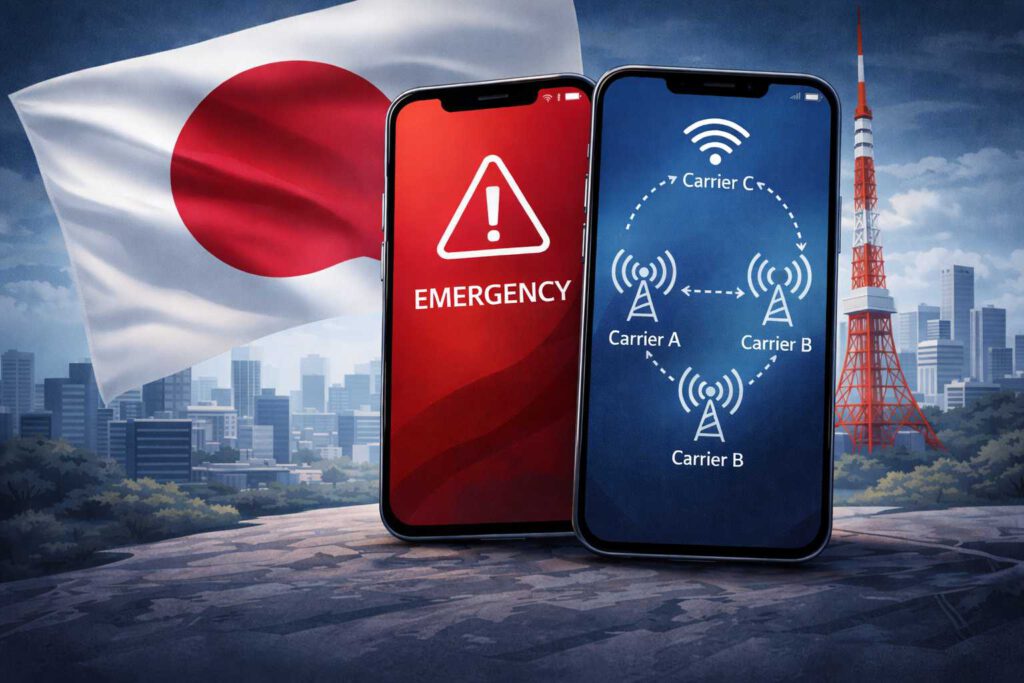
A transition period of two years will be granted to IP mobile phone terminals that either have already been certified or self-declared in compliance with technical standards, or qualify for exemption under special conditions approved by the Minister of Internal Affairs and Communications.
Feel free to contact us any time if you need assistance or have any questions re-garding Japanese certifications like PSC Certification, PSE Certification, TELEC Certification, JIS Certification and the VCCI Mark Certification.
Tel. Europe: +49-69-271 37 69 258
Tel. US: +1 773 654-2673
Email: info@certification-japan.com
For more information you can download our free brochure “Japan Certification Made Easy – The Booklet”.
Looking Back on a Successful 2025 – MPR International Thanks You for a Great Year
As 2025 comes to a close, MPR International looks back with gratitude on a successful year filled with exciting projects, strong partnerships, and valuable collaboration with our clients. We would like to sincerely thank you for your continued trust and support—your confidence in us is the foundation of our ongoing success.

Alongside our professional achievements, we’re also pleased to share a lighter update from within the company: since this year, dogs are officially welcome in the office. Our “new team member”—a cheerful office dog – has quickly become a regular presence and a source of joy for the whole team. Research from Virginia Commonwealth University has shown that dogs in the workplace can significantly reduce stress and increase productivity—a benefit we’ve happily experienced firsthand.

Wishing you a Merry Christmas and a great start to the New Year 2026 – Your MPR International Team
Standardization of the 433 MHz Frequency by the MIC in Japan
As early as November 12, 2024, the Japanese Ministry of Internal Affairs and Communications (MIC) published new technical guidelines that are intended to specify and standardize the use of the 433 MHz frequency in Japan. In Japan, products with affected frequency bands usually require approval under the Japanese Radio Law, also known as MIC certification or TELEC certification.

The 433 MHz frequency is already a standard frequency range in many countries worldwide, while in Japan the 315 MHz band has been used mainly so far. The approval of the frequencies, which are more widely used internationally, is intended to promote international standardization in Japan and eliminate Japanese special requirements, especially in particularly affected product areas such as tire pressure monitoring systems (TPMS) and radio central locking systems (RKE).
It is currently still unclear when exactly the changes announced by the MIC will be implemented. In addition, the use of the frequency bands in Japan will continue to be subject to special regulations to avoid interference with other services, in particular the amateur radio service. This includes, among other things, maximum transmission powers, channel bandwidths, as well as permissible applications in different environments.
Feel free to contact us any time if you need assistance or have any questions re-garding Japanese certifications like PSC Certification, PSE Certification, TELEC Certification, JIS Certification and the VCCI Mark Certification.
Tel. Europe: +49-69-271 37 69 258
Tel. US: +1 773 654-2673
Email: info@certification-japan.com
MPR Celebrates 20 Years of Success in the Certification Industry
MPR International proudly celebrates its 20th anniversary as a successful company in the global certification sector. Since its founding in 2005 as MPR China Certification GmbH, the company has expanded its reach from Europe to a worldwide customer base. Initially, MPR specialized in China certifications, particularly the China Compulsory Certification (CCC). By establishing strong relationships with international authorities and offering innovative services, MPR has become a leading provider of certifications in the automotive and other product industries.
In 2013, MPR China Certification GmbH achieved a significant milestone when it was recognized as an Outstanding Certification Company by the China Certification Center for Automotive Products (CCAP). Further recognition followed from the Shanghai Motor Vehicle Inspection Center (SMVIC), which honored MPR as an Excellent Partner for vehicle components and comprehensive testing. Additionally, an MOU (Memorandum of Understanding) was signed with SMVIC.
Since 2019, MPR has successfully expanded its reach to the markets of India, Korea, and Japan.
In India, the company strengthened its collaboration with the Bureau of Indian Standards (BIS), which paid an official visit to Frankfurt to enhance certification processes and international partnerships, offering clients more efficient solutions. Furthermore, MPR works closely with the Automotive Research Association of India (ARAI) and the International Centre for Automotive Technology (iCAT) to provide type approvals and regulatory compliance services in the growing Indian market. An MOU was also signed with iCAT.
In Korea, MPR collaborates with local authorities and testing laboratories to ensure compliance with national standards. This partnership has been reinforced through regular visits to Korean certification bodies and technical inspection institutions, which has helped streamline and enhance the transparency of certification processes for clients in Korea.
A pivotal step in the company’s development was joining the Certania Group, a leading conglomerate specializing in testing, inspection, and certification services. This has enabled MPR to significantly expand its global testing and service capabilities.
MPR is committed to further expanding its capacity to ensure fast and reliable certification processes. Its participation in forums such as the Future Battery Forum underscores its dedication to supporting the introduction of innovative technologies into international markets. MPR has already established itself as a trusted certification provider for battery technologies, e-mobility, and hydrogen products.
Through strong partnerships and continuous improvements, MPR remains a leader in the product certification industry and looks forward to continuing to offer its clients excellent and optimized services.
MPR International GmbH expands Range of Services for JIS Certification
MPR International GmbH has expanded its service portfolio and now offers the possibility to carry out JIS certification for presses and their integrated safety devices. This includes, among others, the standards JIS B 9110, JIS B 9111 and JIS B 9712. Many other industrial products, including certain software and services, are also subject to JIS certification in Japan.

The implementation of JIS certification, which usually includes mandatory product tests and a factory inspection, is reserved for certain approved certification bodies (CABs). Accreditations are only ever granted for certain standards or product portfolios.
Certification according to Japanese Industrial Standards (JIS) is basically only voluntary for an export to Japan, but is often required by Japanese end customers in order to prove conformity with the high quality and safety standards of the Japanese market.
Feel free to contact us any time if you need assistance or have any questions re-garding Japanese certifications like PSC Certification, PSE Certification, TELEC Certification, JIS Certification and the VCCI Mark Certification.
Tel. Europe: +49-69-271 37 69 258
Tel. US: +1 773 654-2673
Email: info@certification-japan.com
For more information you can download our free brochure “Japan Certification Made Easy – The Booklet”.
 We are part of the CERTANIA-Group.