



Japan Expands Domestic Representative Rules for PSE and PSC Compliance
14. May 2026Japan has strengthened oversight requirements for overseas businesses selling regulated consumer products under the country’s product safety framework. The updated focus on PSE and PSC compliance requires certain foreign companies acting as Specified Importers to appoint a domestic representative and complete formal notifications with Japan’s Ministry of Economy, Trade and Industry (METI).
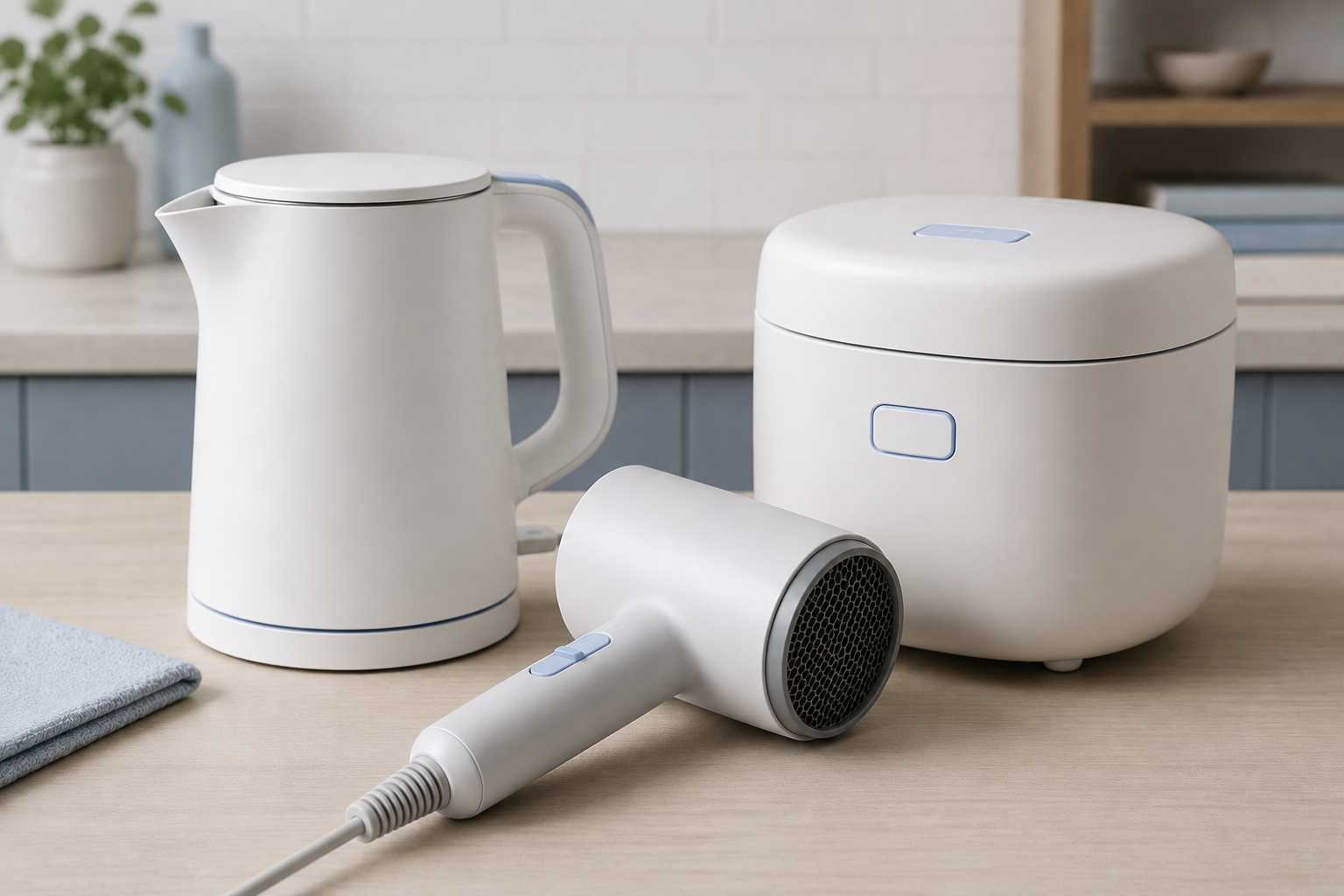
The requirements apply to products covered under Japan’s Four Product Safety Acts, including electrical appliances and consumer goods subject to the PSE and PSC marking systems. Companies exporting products to Japan through online marketplaces or direct distribution channels are expected to maintain appropriate compliance documentation and registration procedures before products are placed on the market. Consumer products usually require PSE certification or PSC certification in order to be approved for import and sale in Japan.
Domestic Representative Obligations Under Japanese Product Safety Laws
Under the revised compliance expectations, overseas businesses qualifying as Specified Importers must designate a Domestic Administrator or Domestic Representative located in Japan. This representative serves as the contact point for METI and is responsible for handling regulatory communications, notifications, and administrative procedures related to product safety obligations.
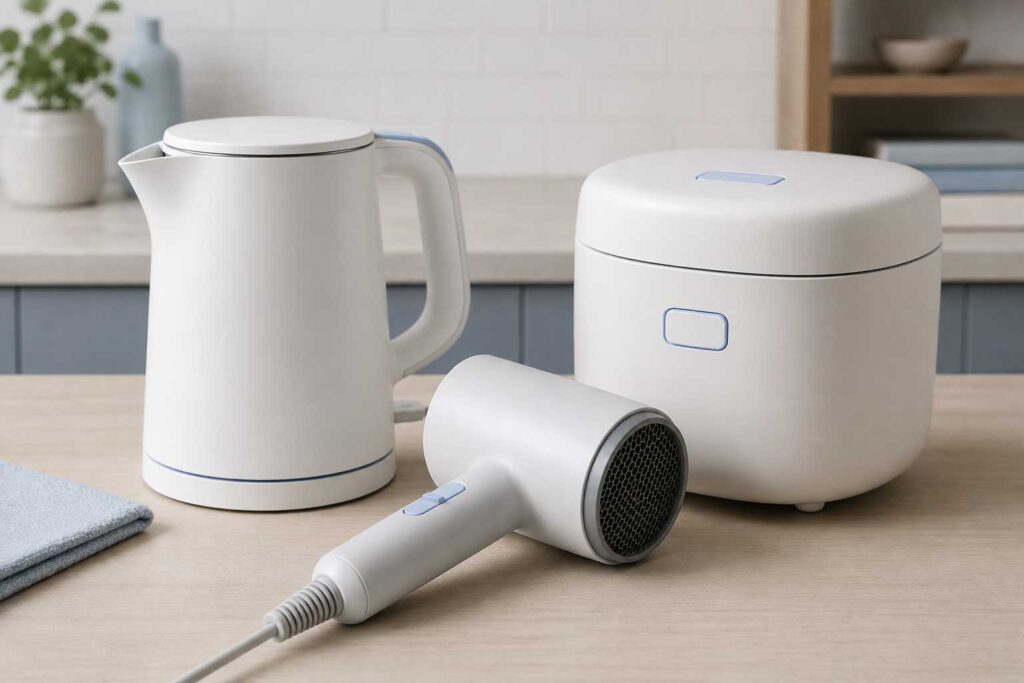
The domestic representative framework is particularly relevant for manufacturers and exporters of electrical appliances covered by the Electrical Appliance and Material Safety Act, as well as products regulated under the Consumer Product Safety Act. Depending on the product category, companies may need to submit importer notifications, provide technical documentation, and confirm product classification details before market entry.
For products categorized as Specified Electrical Appliances requiring the diamond-shaped PSE mark, additional conformity assessment procedures are necessary. In these cases, certification by a Registered Conformity Assessment Body is generally required, along with preparation of a Certificate of Conformity or equivalent supporting documentation.
Compliance Impact for Overseas Sellers and E-Commerce Platforms
The growing use of international e-commerce platforms has increased enforcement attention on product safety compliance in Japan. Overseas sellers using marketplaces such as Amazon or Rakuten may face listing restrictions or suspension if mandatory METI notifications and supporting documentation are not properly completed.
To establish a compliant import structure, companies typically must complete several procedural steps, including confirmation of applicable product categories, execution of authorization documents for the domestic representative, and electronic filings through METI’s official “Hoan Net” system.
The domestic representative arrangement also helps facilitate communication with Japanese authorities and supports ongoing regulatory management after products enter the market. For exporters, importers, and manufacturers targeting Japan, proper completion of these procedures is increasingly important for maintaining uninterrupted market access and reducing regulatory risks associated with product safety enforcement.
Feel free to contact us any time if you need assistance or have any questions re-garding Japanese certifications like PSC Certification, PSE Certification, TELEC Certification, JIS Certification and the VCCI Mark Certification.
Tel. Europe: +49-69-271 37 69 258
Tel. US: +1 773 654-2673
Email: info@certification-japan.com For more information you can download our free brochure “Japan Certification Made Easy – The Booklet